US Flag Vintage Sublimation Backgrounds: A Designer's Guide
There's a particular feeling that comes with a well-worn flag. It’s not just about patriotism; it's about history, resilience, and a sense of place. Capturing that feeling digitally, however, can be a challenge. A crisp, new vector graphic often lacks the soul of a flag that has seen sun, wind, and time. This is where a resource like the US Flag Vintage Sublimation Backgrounds collection steps in, offering something more than just a picture. It provides a texture, a mood, and a story ready to be incorporated into your next project.
The Visual Character of a Distressed Vintage Flag
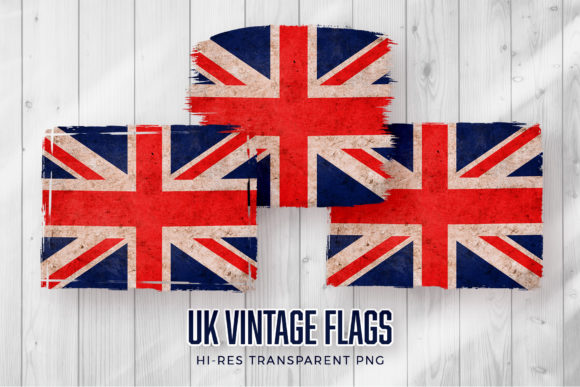
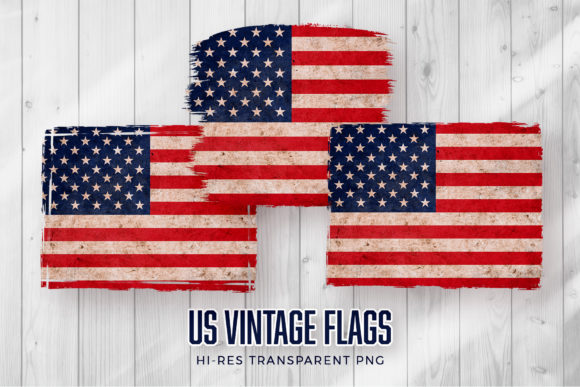
Let's talk about what makes these backgrounds work. The core of the appeal lies in their distressed vintage aesthetic. This isn't a simple filter applied to a flat image. The files are designed to emulate the look of aged fabric, with subtle fading, worn edges, and the slight imperfections that give a real-world object its character. The colors are typically muted, pulling back from the bright, saturated reds and blues of a modern print to echo the dyes and materials of a bygone era. This visual personality is crucial. It immediately communicates authenticity and nostalgia, making it a powerful tool for connecting with an audience on an emotional level.
Delivered as Hi-Res PNG backgrounds, the practical details are just as important as the aesthetic. At 15x15 inches and 4500x4500 pixels with a 300 DPI resolution, these are professional-grade design assets. The high resolution ensures that your final product, whether it's a large-format print or a detailed mug wrap, will be crisp and clear. The PNG format with transparency offers immense flexibility, allowing you to layer these backgrounds over other elements, place them on various colored surfaces, or use them as a standalone base without worrying about a clashing white box around them. You receive three distinct variations, giving you a small but potent toolkit to start with, each with its own unique level of wear and coloration.
Practical Applications: From Digital Screens to Physical Goods
The true value of any creative font or asset is measured by its utility. Where does a distressed flag background actually shine? The applications are surprisingly diverse, spanning both digital and physical realms. For the crafter and small business owner using sublimation, this is a direct path to creating compelling products. Think about t-shirts with a large, faded flag print across the chest. Imagine coffee mugs where the vintage texture wraps around the ceramic, giving it a rustic, artisanal feel. You could create tote bags, phone cases, coasters, and posters that have an immediate sense of established quality.
But the use cases extend far beyond sublimation. As a design asset, these backgrounds are a versatile component in a larger creative system. Consider these possibilities:
- Digital and Web Design: Use it as a subtle background texture for a website header, a social media banner, or a blog post image related to American history, heritage crafts, or patriotic holidays. It adds depth and interest without overwhelming the foreground content.
- Branding and Marketing: For a brand that wants to evoke a sense of American heritage, tradition, or rugged individualism, this background can be a key part of its brand identity. It can be used on packaging, in advertisements, or as a textural element in a logo design presentation.
- Editorial and Publishing: A magazine layout, a book cover, or a newsletter header can use this background to instantly set a thematic tone. It works beautifully as a full-bleed image or as a small, textured element in a larger editorial design composition.
- Personal Projects: From creating custom family reunion invitations to designing a unique background for a patriotic digital scrapbook page, the personal applications are limited only by your imagination.
Integrating the Asset: Design Considerations and Best Practices
Simply placing a background isn't enough. To use these files effectively, you need to think like a designer. The vintage, distressed nature of the asset has a direct impact on the other elements you pair with it, particularly typography. Because the background is busy and textured, your text needs to be highly legible. A clean, bold sans serif font often works best, as its simple, strong letterforms will stand out against the complex background. A classic serif font can also work well, especially if you're aiming for a more traditional, institutional feel. The key is contrast—not just in color, but in complexity.
When you choose your typeface, consider its role in the visual hierarchy. Your main headline should be prominent and easy to read at a glance. You might place it in a solid-colored box or use a drop shadow to lift it off the background. Subheadings and body text need to be even clearer. This is where thoughtful font pairing becomes essential. You might pair a sturdy, all-caps display font for your headline with a more readable, lighter-weight modern typography choice for the supporting text. Avoid overly ornate script font or handwritten font styles for main information, as they can become difficult to read over the detailed flag texture. Save them for small, impactful accents if you must use them.
Evaluate the project's overall tone. If you're designing for a commercial client, ensure the aesthetic of the distressed flag aligns with their brand identity. It's a powerful stylistic choice, but it's not universally appropriate. For a tech startup, it might feel out of place. For a heritage clothing brand, a barbecue sauce company, or a historical society, it could be the perfect fit. Before committing, test the background with your chosen color palette and typography. Place your text, view it at the intended final size, and ask yourself: Is it clear? Is it compelling? Does it tell the right story?
Ultimately, the US Flag Vintage Sublimation Backgrounds are more than just a set of files. They are a starting point for a narrative. They provide the texture of history and the weight of tradition, allowing you to build creative projects that feel grounded, authentic, and visually resonant. By understanding their character and applying them with thoughtful design principles, you can transform a simple digital file into a memorable piece of communication, whether it’s on a screen or a t-shirt.